Wildlife Photography Tips for Hluhluwe iMfolozi-Park
Capturing Africa's Big Five With Your Favorite Camera. Essential Photography Planning for Your Hluhluwe iMfolozi Safari.
Prime Shooting Times: Golden hour (06:00-07:00, 17:00-18:00) provides optimal lighting conditions, needs fast lens 1/8 would be best aperture lens for low low light
Best Camera Settings: ISO 400-1600, shutter speed 1/500s minimum for moving wildlife, aperture f/5.6-f/8
Recommended Focal Length: 300-600mm telephoto lens for Big Five photography, The Faster the lens the better,F1/8 best aperture for low light sharpness
Peak Activity Zones: iMfolozi section river loops, Mpila watering holes, Hilltop picnic area surrounds
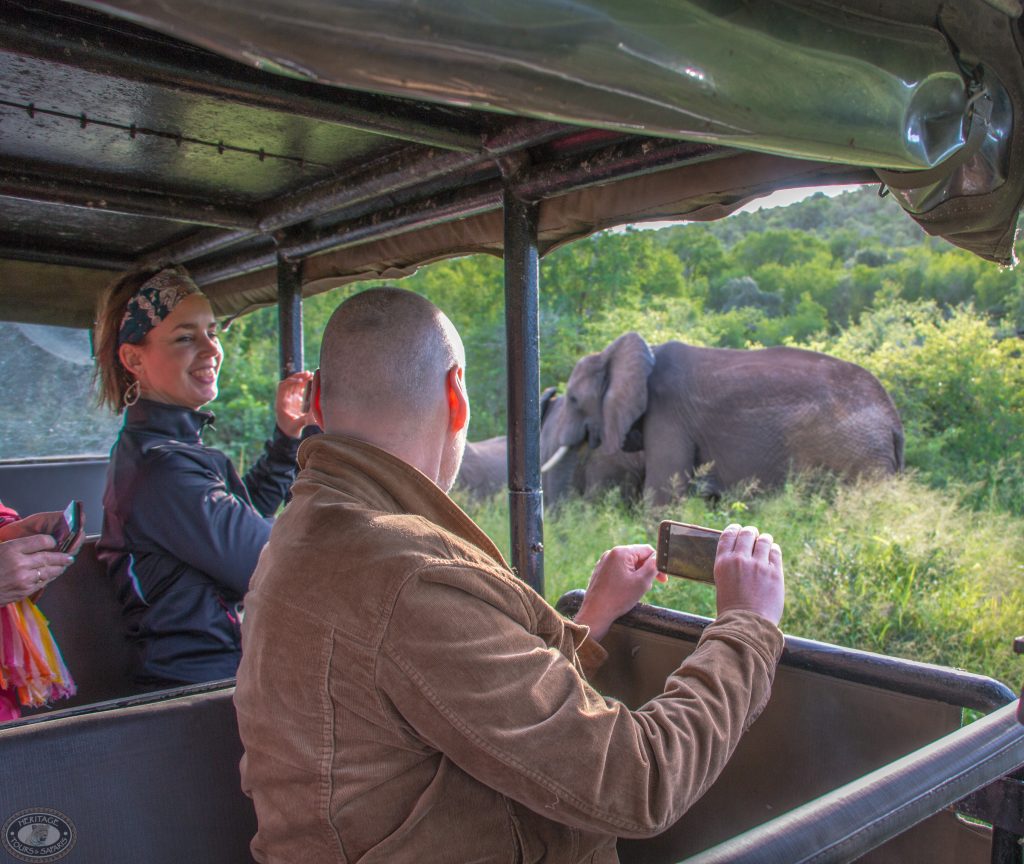
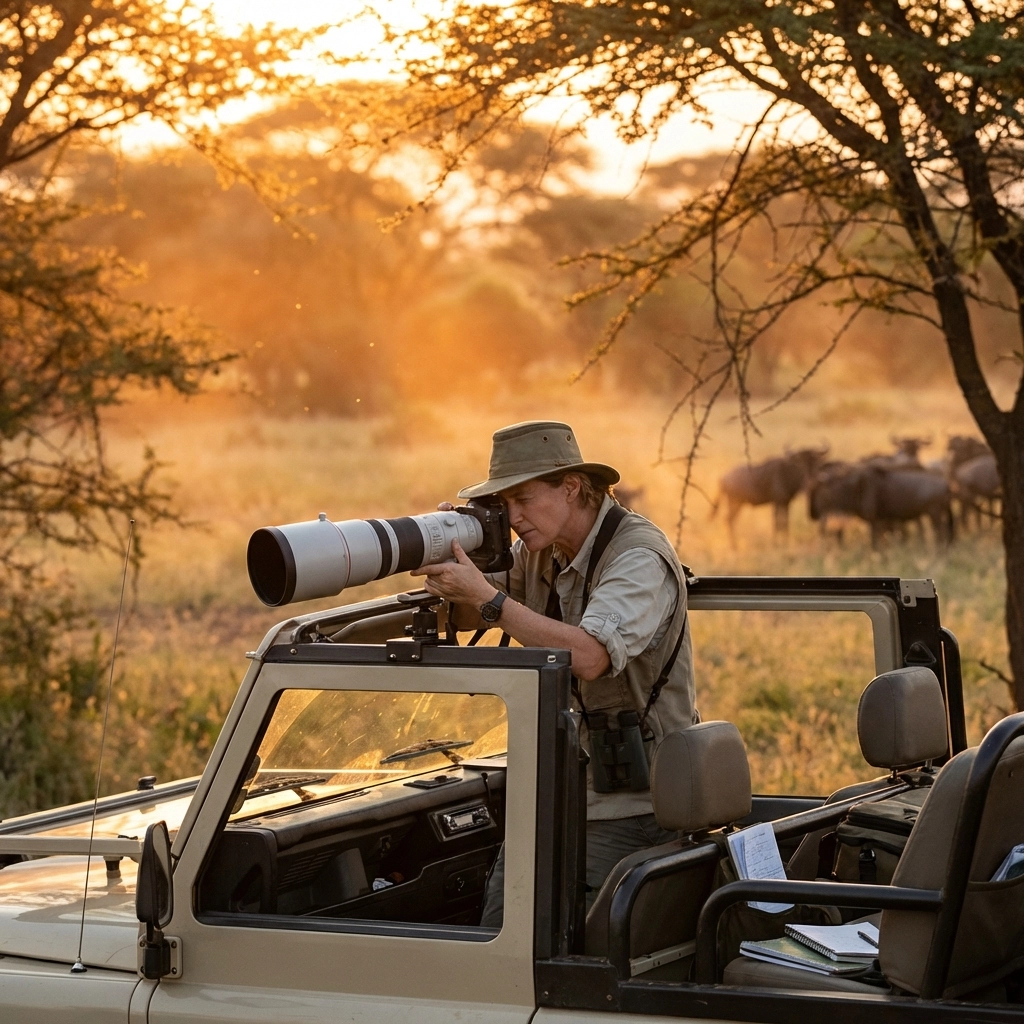
Vehicle Position Strategy: Front passenger seat provides optimal shooting angles and stability
Wildlife Photography Tips for Hluhluwe iMfolozi
Understanding Hluhluwe iMfolozi's Unique Photography Landscape
Hluhluwe iMfolozi Park spans 96,000 hectares of diverse terrain that presents distinct photographic opportunities across its varied ecosystems. The northern Hluhluwe section features rolling hills covered in coastal forest, while the southern iMfolozi section offers open grasslands intersected by the White and Black iMfolozi rivers. This geographical diversity creates multiple microenvironments where different Big Five species concentrate at predictable times throughout the day.
The park's elevation ranges from 60 meters in the river valleys to 540 meters at the highest points, creating natural vantage points for landscape compositions that include wildlife subjects, like the elephants that come to Hilltop almost every day.. Morning mist frequently settles in the valleys between 06:30 and 08:00, particularly during winter months from May to August, providing ethereal backdrop opportunities for large mammals moving between feeding and resting areas.
Established in 1895, Hluhluwe iMfolozi holds the distinction of being Africa's oldest proclaimed nature reserve, and this conservation history has allowed animal behavior patterns to develop relatively undisturbed by human interference. Wildlife movements follow established corridors between water sources, feeding areas, and territorial boundaries that have remained consistent for decades, making animal behavior more predictable for photographers who understand these patterns.
Wildlife Photography Tips for Hluhluwe iMfolozi-Park Camera Equipment and Technical Settings for Hluhluwe iMfolozi Wildlife
Professional wildlife photography in Hluhluwe iMfolozi game reserve requires specific technical approaches due to the park's varied lighting conditions and dense vegetation. A telephoto lens between 300-600mm focal length provides necessary reach while maintaining the mandatory 25-meter safety distance from dangerous game. The 400mm focal length represents the optimal balance between reach and image stabilization, particularly when shooting from vehicle-mounted positions.
Camera bodies with high ISO performance prove essential during early morning and late afternoon sessions when the Big Five are most active. Modern full-frame sensors perform well up to ISO 1600 without significant noise degradation, while crop sensor cameras should remain below ISO 800 for professional quality results. The park's dense thornveld vegetation in many areas requires fast autofocus systems capable of tracking subjects moving between cover and open spaces.
Shutter speed requirements vary significantly between species and behavioral situations. Elephants feeding peacefully require minimum speeds of 1/250s to eliminate motion blur from trunk movements, while active lions or leopards demand 1/500s or faster. Buffalo often move in sudden bursts, necessitating 1/600s minimum to capture sharp images during these rapid movements. Rhinos, despite their bulk, can accelerate quickly and require similar fast shutter speeds when alert or moving.
Aperture selection balances depth of field requirements with available light conditions. f/5.6 provides sufficient depth to keep an entire rhino or buffalo in focus while allowing faster shutter speeds in marginal lighting. f/8 offers optimal lens sharpness for most telephoto lenses but requires higher ISO settings during golden hour periods. When photographing groups of animals, particularly lion prides, f/8 to f/11 ensures multiple subjects remain in acceptable focus.
Mastering Big Five Photography Techniques in Hluhluwe iMfolozi
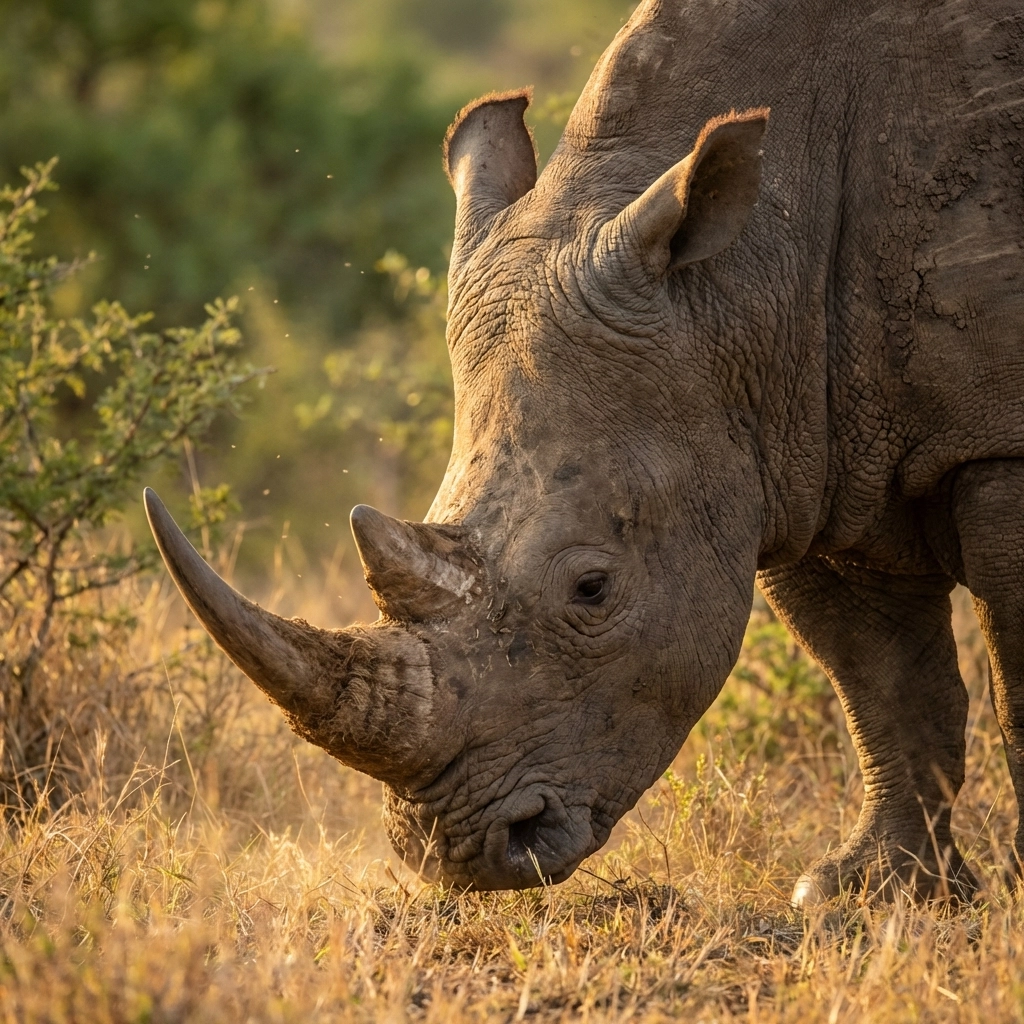
Each of the Big Five species in Hluhluwe iMfolozi presents unique photographic challenges that require specialized approaches and understanding of individual behavioral patterns. The park's white rhino population of approximately 1,800 individuals offers the most reliable photographic opportunities, particularly around the Mpila camp area where these massive herbivores frequently graze in open grasslands during early morning hours.
White rhinos typically begin moving from night feeding areas back toward water sources around 06:30, creating predictable photography windows. Their poor eyesight but excellent hearing means photographers can approach within acceptable distances if wind direction carries human scent away from the animals. The golden hour lighting perfectly illuminates their grey skin texture, creating natural rim lighting that separates subjects from background vegetation. Focus on capturing the distinctive horn profiles and weathered skin details that showcase the species' prehistoric appearance.
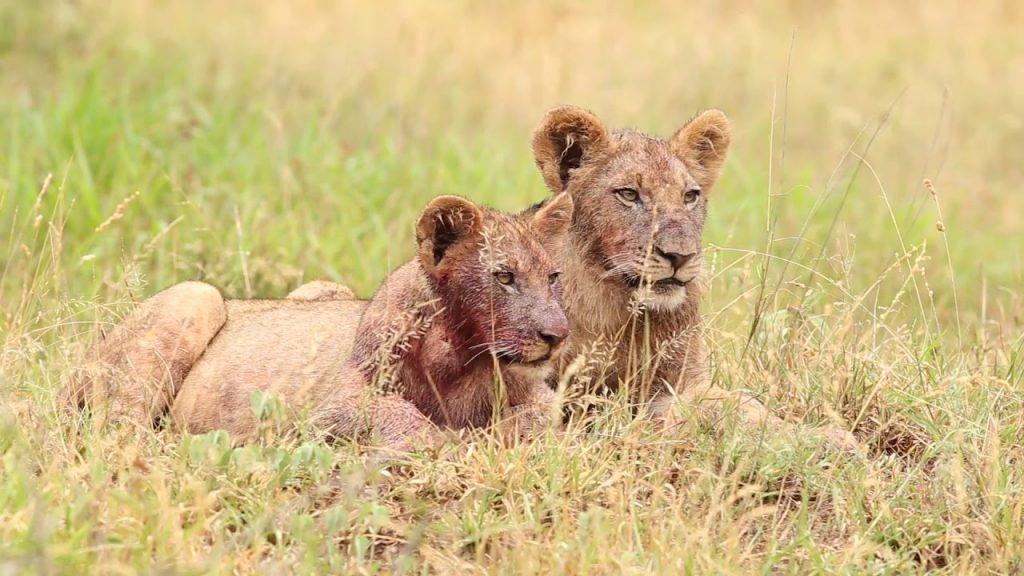
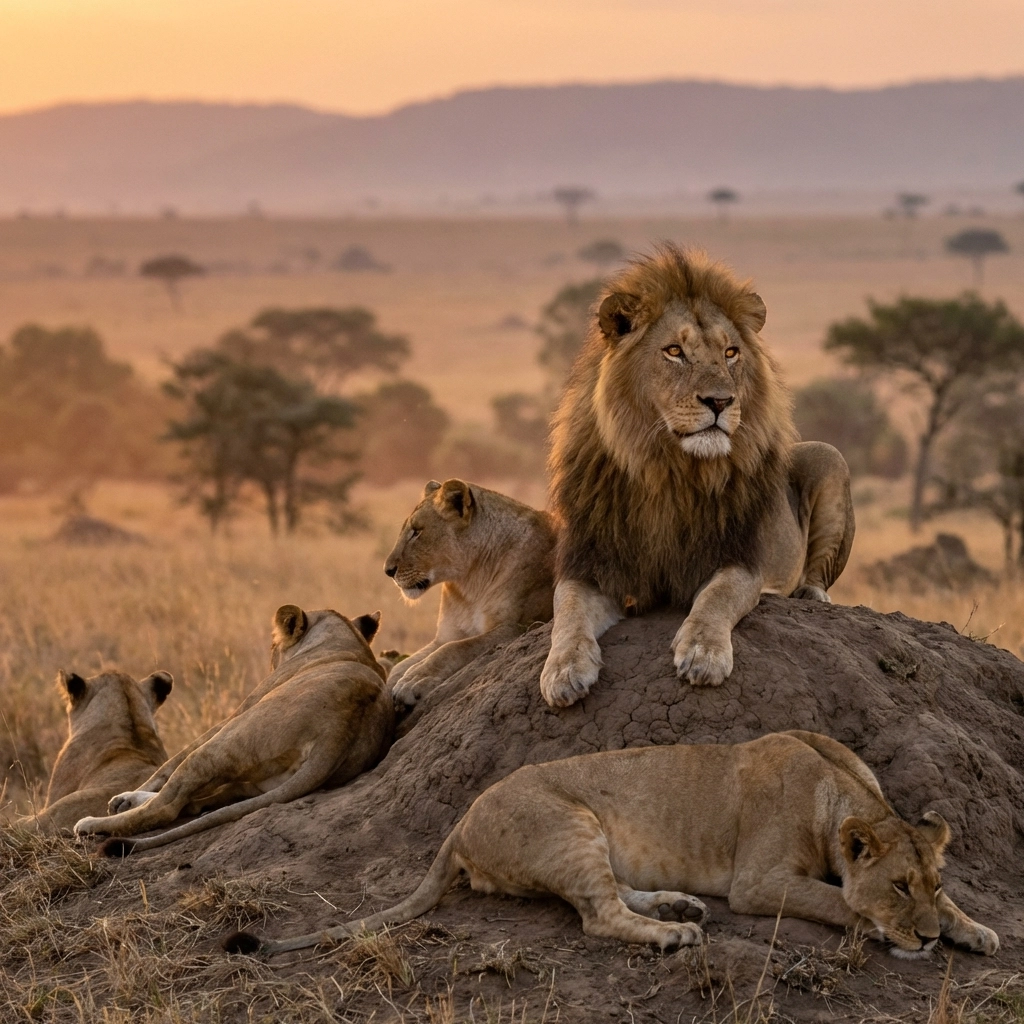
Lions in Hluhluwe iMfolozi concentrate primarily in the Imfolozi section, particularly around the confluence areas where the White and Black Imfolozi rivers meet. The resident pride structure typically includes 8-12 individuals who follow established territorial patterns throughout their 40-square-kilometer range. Early morning photography sessions between 06:00 and 08:00 offer optimal opportunities as pride members often gather at watering points after nighttime hunting activities.
Lion photography requires patience and understanding of pride dynamics. Dominant males patrol territorial boundaries and often position themselves on elevated termite mounds or rocky outcrops that provide excellent compositional elements. The morning light angle at 30-45 degrees above the horizon creates natural catchlight in lion eyes while avoiding the harsh contrast that develops after 09:00. Focus on capturing individual personality expressions and pride interaction moments rather than static portraits.
Wildlife Photography Tips for Hluhluwe iMfolozi-Park
Buffalo herds in Hluhluwe iMfolozi-Park number approximately 4,000 individuals distributed across the park's grassland areas. These massive bovines demonstrate complex social structures that create compelling photographic narratives. Herds typically consist of 50-200 individuals led by experienced matriarchs who determine daily movement patterns between grazing areas and water sources.
The species' unpredictable temperament requires constant awareness of escape routes and vehicle positioning. Buffalo can accelerate from stationary to 50 kilometers per hour within seconds, making telephoto lenses essential for safe photography. Their dark coloration presents exposure challenges, particularly in high contrast lighting situations. Spot metering on the lighter colored horn bases or using exposure compensation of +1/3 to +2/3 stops prevents underexposure of the dark hide while maintaining detail in highlight areas.
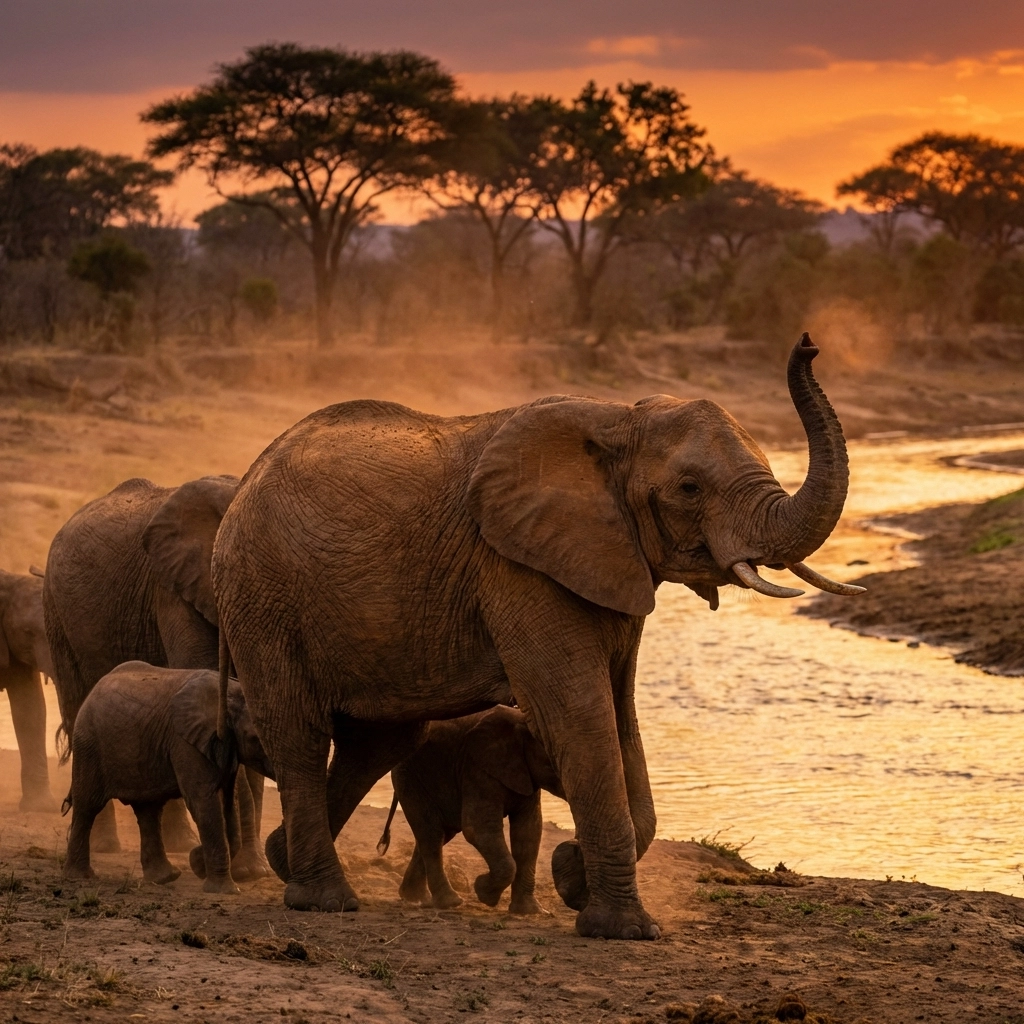
Elephant photography in Hluhluwe iMfolozi focuses on family groups that frequent the riverine areas throughout both park sections. The park's elephant population of approximately 220 individuals has adapted to the thornveld environment, creating unique behavioral patterns not observed in other African reserves. Family groups typically consist of 6-15 individuals led by the oldest matriarch who possesses detailed knowledge of seasonal water sources and feeding areas.
Elephants demonstrate complex emotional ranges that translate into compelling photographic subjects. Their expressive eyes and intricate skin textures require careful attention to lighting direction and quality. Side lighting reveals the deep creases and wrinkles that tell stories of age and experience, while backlighting creates dramatic silhouettes against dawn or dusk skies. Focus on capturing trunk gestures, ear positioning, and eye contact that convey the species' intelligence and emotional depth.
Strategic Photo Taking Location Selection Within Hluhluwe iMfolozi
The Imfolozi section of Hluhluwe iMfolozi provides superior photographic opportunities due to its diverse habitat combinations and established wildlife corridors. The area surrounding Mpila camp offers reliable white rhino sightings throughout daylight hours, with animals frequently grazing within 500 meters of the accommodation facilities. The elevated position of the camp provides overview perspectives for landscape compositions that include wildlife subjects in their natural habitat context.
River loop roads through the Imfolozi section create natural wildlife highways where different species converge for water access. The Black Imfolozi River maintains permanent water levels throughout the year, attracting consistent wildlife activity during dry season months from May to September. Photography positions along the riverbank roads allow for multiple angle options and background variations as animals approach and depart water sources.
The Hilltop area in the northern Hluhluwe section provides elevated perspectives across the coastal forest canopy where bushbuck, nyala, and occasional leopards move through the dappled shade. The changing elevation creates natural leading lines and compositional depth that enhances wildlife portraits with environmental context. Early morning mist often rises from the valleys below, creating atmospheric backgrounds for backlit subjects.
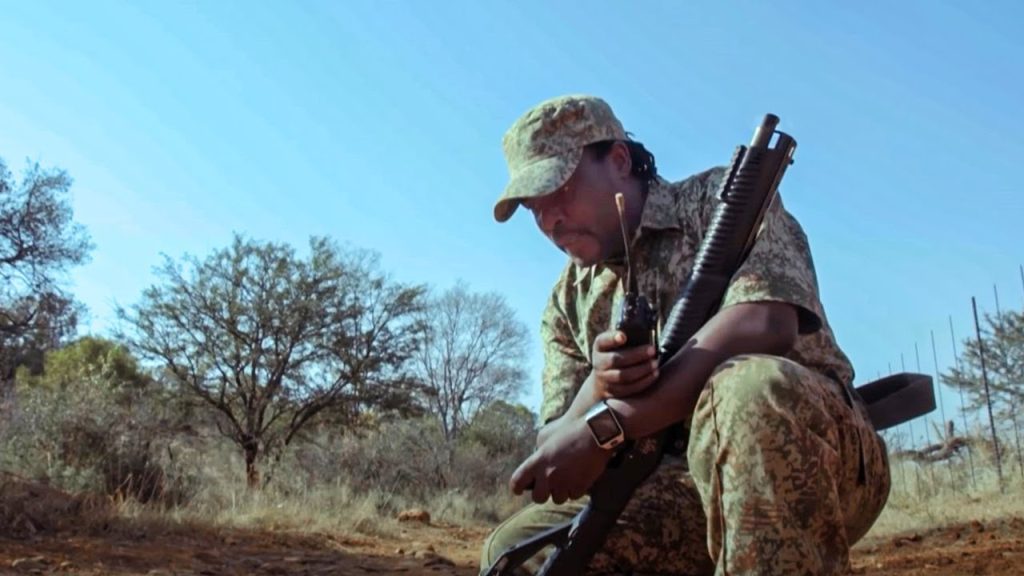
Wilderness trails in both sections offer walking photography opportunities under armed guard supervision. These guided excursions provide access to areas closed to vehicle traffic and allow for lower angle perspectives impossible from vehicle positions. The three-day wilderness trail covers approximately 15 kilometers daily through pristine habitat where wildlife behavior remains unaffected by vehicle presence.
Wildlife Photography Tips for Hluhluwe iMfolozi Seasonal Photography Planning for Hluhluwe iMfolozi
Winter months from May to August provide optimal wildlife photography conditions in Hluhluwe iMfolozi due to reduced vegetation density and predictable animal movements around permanent water sources. Morning temperatures range from 8-15°C, creating comfortable conditions for extended photography sessions while wildlife activity remains high throughout extended periods.
The dry season concentrates wildlife around reliable water sources, making animal behavior more predictable for photography planning. River pools maintain water levels while seasonal pans dry completely, forcing animals to follow established routes between feeding and drinking areas. This concentration effect increases photographic opportunities while allowing for careful positioning and composition planning.
Summer months from November to March present different challenges and opportunities for wildlife photography. Increased vegetation density provides natural camouflage for leopards and other shy species while creating complex lighting situations with dappled shadows and bright highlights. The green season transforms the landscape into a lush environment that provides striking color contrasts for wildlife portraits.
Afternoon thunderstorms during summer months create dramatic lighting opportunities with dark, cloud-filled skies that serve as powerful backgrounds for wildlife subjects. The period immediately before storms often features unusual light quality with golden illumination against dark skies that creates compelling mood and atmosphere in wildlife images.
Golden hour photography in Hluhluwe iMfolozi extends beyond simple front-lit subjects to include creative use of side lighting and backlighting techniques that enhance the three-dimensional quality of wildlife subjects. The park's open grassland areas provide unobstructed horizon views that allow for precise timing of optimal light angles throughout the golden hour period.
Advanced Lighting Techniques for Hluhluwe iMfolozi Wildlife






Side lighting at 45-degree angles reveals texture details in animal coats while creating natural shadow patterns that add depth and dimension to wildlife portraits. This technique works particularly well with the rough hide texture of elephants and rhinos, where directional light emphasizes the weathered surface characteristics that tell stories of age and environmental adaptation.
Backlighting opportunities occur when animals position themselves between camera and light source, creating rim lighting effects that separate subjects from background elements. This technique proves especially effective with buffalo and lions whose dark coloration benefits from edge lighting that defines body outline and creates dramatic silhouettes. Exposure compensation of -1 to -2 stops maintains detail in highlight areas while preserving the dramatic lighting effect.
The park's thornveld vegetation creates natural diffusion panels when animals move through dappled shade areas. This filtered light eliminates harsh shadows while maintaining directional quality that preserves form and texture. Spot metering on the animal's eye area ensures proper exposure for facial details while allowing background areas to fall into natural shadow zones.
Safety Protocols and Ethical Photography in Hluhluwe iMfolozi
You may be thing why we need to take about this, but you would be surprised in what people have done in the past. Wildlife photography safety in Hluhluwe iMfolozi requires strict adherence to park regulations and understanding of dangerous game behavior patterns. The mandatory 25-meter distance from Big Five species serves both conservation and safety purposes, protecting animals from stress while ensuring photographer safety during unpredictable behavioral situations.
Vehicle positioning becomes critical when photographing dangerous game, particularly buffalo and elephants known for sudden aggressive responses to perceived threats. Always maintain clear escape routes and avoid positioning vehicles between animals and their preferred escape corridors. Engine operation should remain minimal to reduce disturbance while ensuring quick departure capability if situations develop.
Ezemvelo KZN Wildlife regulations prohibit feeding animals or using artificial attractants to influence wildlife behavior for photographic purposes. These rules protect natural behavioral patterns while preventing habituation that could lead to dangerous human-wildlife conflicts. Understanding and respecting these guidelines demonstrates responsible photography practices that support long-term conservation efforts.
The park's conservation success story, particularly with white rhino recovery from near extinction to current sustainable population levels, depends on visitor compliance with established protocols. Photography activities should support rather than compromise these conservation achievements through respectful observation and documentation that raises awareness about wildlife protection efforts.
Hluhluwe Game Reserve Conservation
Conservation photography in Hluhluwe iMfolozi extends beyond capturing beautiful images to documenting the ongoing success of one of Africa's most important wildlife recovery programs. The park's role in saving the southern white rhino from extinction provides compelling narrative opportunities for photographers interested in conservation storytelling.
Modern wildlife photography techniques contribute to citizen science efforts when properly documented images provide valuable data about animal behavior, population dynamics, and habitat usage patterns. Photographs that include date, time, and location metadata can support research efforts when shared with park management and conservation organizations working within Hluhluwe iMfolozi.
The Ezemvelo KZN Wildlife organization continues research and monitoring programs that benefit from quality photographic documentation of wildlife behavior and population health indicators. Collaborative approaches between photographers and conservationists strengthen both artistic and scientific understanding of this unique ecosystem.