Hluhluwe-iMfolozi Conservation:
Hluhluwe-iMfolozi Conservation plays a crucial role in preserving biodiversity in the region
Success Stories Of How Hluhluwe iMfolozi Saved the White Rhino:
Key Conservation Facts:
• 1894: Only 50 southern white rhinos discovered alive in iMfolozi Game Reserve
• 1895: Africa's first proclaimed protected conservation area established
• 1940s: Population reached critical low of just 40 individuals
• 1960s: Operation Rhino translocation program launched under Dr. Ian Player
• 2010: Species recovered to over 20,000 individuals across Africa
• 2021: Current population stands at 15,942 despite poaching pressures
• 100%: Every southern white rhino alive today descends from Hluhluwe iMfolozi survivors
The story of how Hluhluwe iMfolozi Park rescued the southern white rhino from the brink of extinction represents one of conservation's most remarkable achievements. This 96,000-hectare reserve in KwaZulu-Natal Province transformed from the species' last refuge into the genetic source for every white rhino population across Africa today.
The Hluhluwe-iMfolozi Conservation efforts have set a benchmark for wildlife protection globally.
The Near Extinction Crisis at Hluhluwe iMfolozi
By the 1890s, uncontrolled hunting had driven the southern white rhino to near extinction across southern Africa. European settlers and trophy hunters had systematically eliminated populations throughout the region, leaving scientists to believe the subspecies had vanished entirely. The discovery of approximately 50 surviving individuals within the boundaries of present-day Hluhluwe iMfolozi Park in 1894 represented both a miracle and a final opportunity.
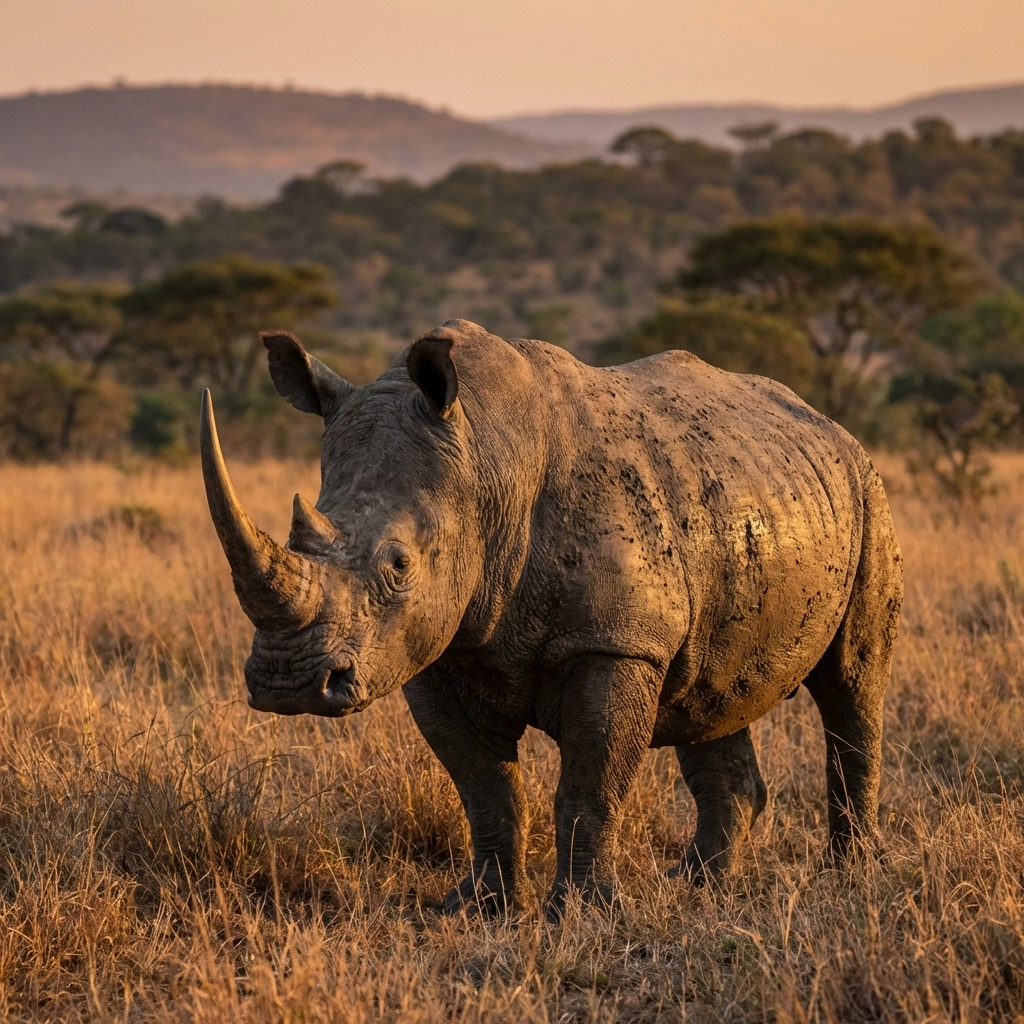
These last survivors occupied the dense thornveld and grasslands between the White and Black iMfolozi rivers, areas that had provided natural protection from human encroachment. The terrain's rugged nature, characterized by steep valleys and thick vegetation, had inadvertently created a sanctuary where the final white rhino population could persist undetected.
Hluhluwe-iMfolozi Conservation:
The colonial government's immediate recognition of the crisis led to unprecedented protective measures. In 1895, authorities proclaimed the iMfolozi Game Reserve as Africa's first dedicated protected conservation area, establishing legal frameworks that would become models for wildlife protection across the continent. The legislation designated white rhinos as royal game, imposing severe penalties for unauthorized hunting within the reserve boundaries.
Due to Hluhluwe-iMfolozi Conservation, the legal frameworks established are now models for wildlife protection.
Despite these protections, the population continued its precarious decline. By the 1940s, intensive monitoring revealed that only 40 southern white rhinos remained on Earth, all confined within Hluhluwe iMfolozi Park's protected boundaries. Each individual represented roughly 2.5 percent of the entire global population, making every birth, death, or injury a matter of international conservation significance.
Early Conservation Efforts Transform Hluhluwe iMfolozi into Africa's First Protected Reserve
The establishment of formal protection at Hluhluwe iMfolozi required innovative approaches to wildlife management that had never been attempted on such a scale. Colonial conservationists implemented 24-hour guard patrols, employed local Zulu communities as rangers, and began systematic population monitoring that would continue for over a century.
Innovative techniques from Hluhluwe-iMfolozi Conservation have influenced global wildlife preservation methods.
The reserve's management recognized that traditional hunting restrictions alone would not ensure species recovery. They initiated habitat management programs, removing alien vegetation species and controlling grass burning cycles to optimize rhino grazing areas. Water point construction ensured year-round access to drinking sources, particularly during the region's dry winter months from May through September.
By 1920, careful protection had allowed the Hluhluwe iMfolozi white rhino population to increase slowly but steadily. Census counts documented gradual growth from the original 50 individuals to approximately 70 animals by the 1930s. Each decade brought incremental improvements in breeding success rates and calf survival, though progress remained frustratingly slow.
The reserve's isolation became both an advantage and a limitation. While the 280-kilometer distance from Durban provided protection from urban encroachment, it also meant limited resources for advanced veterinary care and research facilities. Rangers relied on basic equipment and indigenous knowledge to monitor rhino health, track movements, and protect against the occasional poaching attempt.
Operation Rhino: How Hluhluwe iMfolozi Pioneered Species Translocation
The 1960s brought a paradigm shift in white rhino conservation at Hluhluwe iMfolozi Park. Dr. Ian Player, serving as the reserve's Chief Game Warden, recognized that concentrating all surviving white rhinos in a single location created unacceptable extinction risks. Disease outbreaks, natural disasters, or renewed poaching pressure could eliminate the entire species overnight.
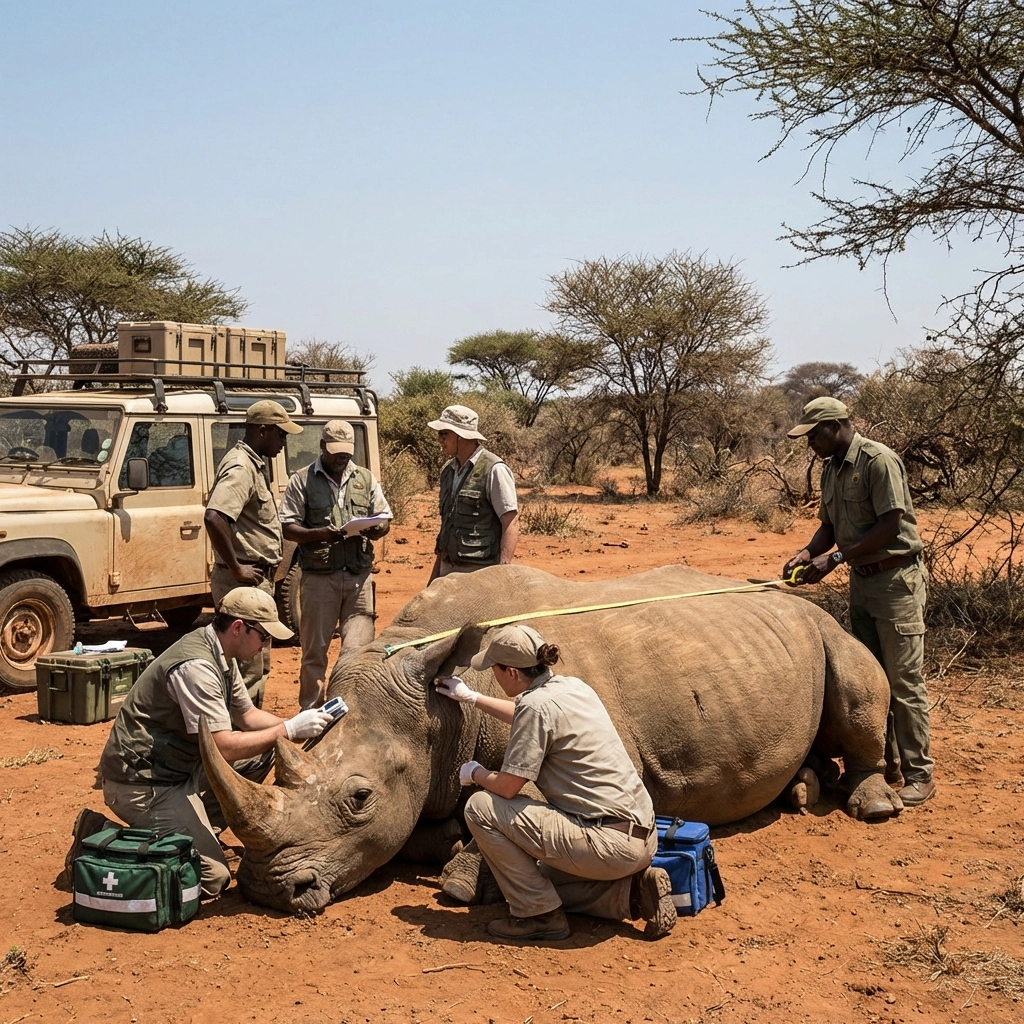
Operation Rhino emerged as an ambitious translocation program designed to establish multiple white rhino populations across southern Africa. Dr. Player collaborated with veterinarian Dr. Anthony Hoorthorn to develop capture and transport protocols that would become the foundation for modern wildlife translocation methodology.
Hluhluwe-iMfolozi Conservation:
Hluhluwe-iMfolozi Conservation has shown how effective multi-faceted approaches can be in species recovery.
The program faced immediate technical challenges that required innovative solutions. White rhinos, weighing up to 2,300 kilograms, presented logistical difficulties unlike any previously attempted wildlife capture operation. The team developed specialized crating systems, sedation protocols, and transport vehicles capable of safely moving these massive animals across hundreds of kilometers.
Initial translocation efforts focused on establishing populations within South Africa's borders. Hluhluwe iMfolozi teams successfully moved white rhinos to Kruger National Park, located 450 kilometers northeast, and Addo Elephant National Park in the Eastern Cape, approximately 600 kilometers south. Each translocation required months of planning, including habitat assessments, veterinary preparations, and coordination with receiving facilities.
Between 1961 and 1972, Operation Rhino relocated over 1,000 white rhinos from Hluhluwe iMfolozi to parks and reserves across Africa. Destinations expanded beyond South Africa to include Zimbabwe's Hwange National Park, Namibia's Etosha National Park, and various private reserves throughout the region. Each successful establishment created genetic insurance against catastrophic loss.
The Remarkable Recovery: From 50 to 20,000 White Rhinos
The translocation program's success exceeded even optimistic projections. By 1970, white rhino populations had established themselves in 12 different protected areas, with breeding programs demonstrating the species' remarkable reproductive potential under proper conditions. Female white rhinos typically produce their first calf at 6-7 years of age and continue breeding until approximately 30 years old.
Operation Rhino achieved what conservationists termed a "1000 percent growth rate" during the 1960s alone. The original Hluhluwe iMfolozi population served as a continuous source for new establishments while maintaining healthy breeding numbers within the park itself. Genetic monitoring confirmed that translocated populations maintained sufficient diversity to support long-term viability.
International expansion began in the 1970s as African nations recognized white rhino translocation potential for tourism development and conservation prestige. Kenya received its first white rhinos from Hluhluwe iMfolozi in 1972, establishing populations at Nakuru National Park and Meru National Park. Botswana, Zambia, and other nations followed with similar programs throughout the subsequent decades.
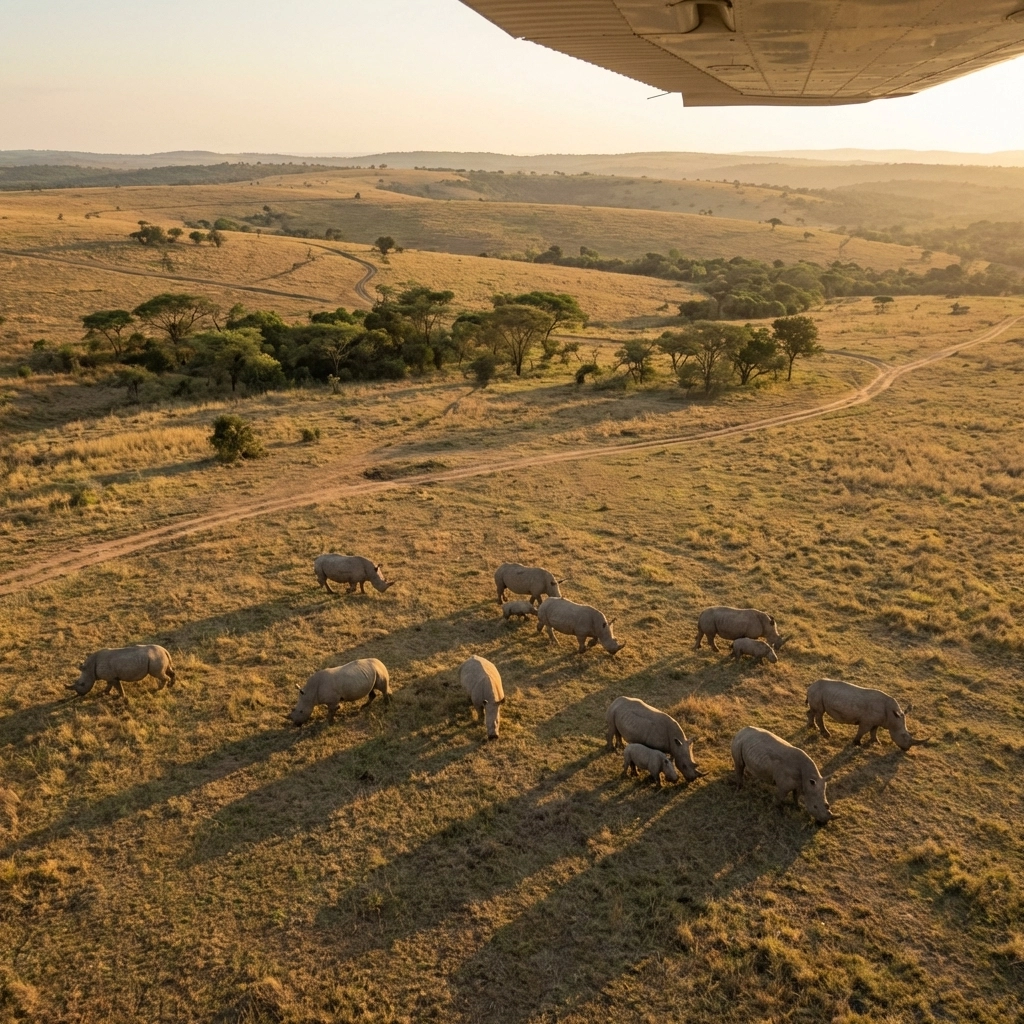
By 2010, the global southern white rhino population had reached its historical peak of over 20,000 individuals distributed across multiple countries and dozens of protected areas. Every single animal traced its genetic lineage directly to the 50 survivors discovered at Hluhluwe iMfolozi in 1894, making the park the literal birthplace of the species' recovery.
As a result of Hluhluwe-iMfolozi Conservation initiatives, the species has shown remarkable recovery.
The success story extended beyond population numbers to encompass ecosystem restoration benefits. White rhinos function as ecosystem engineers, their grazing patterns creating habitat diversity that supports numerous other species. Areas receiving white rhino translocations often experienced increased biodiversity and enhanced tourism appeal.
Modern Challenges Facing Hluhluwe iMfolozi's Conservation Legacy
Hluhluwe-iMfolozi Conservation continues to face modern challenges that threaten its legacy.
The 21st century brought unprecedented threats that have reversed decades of conservation gains. Beginning in 2008, organized criminal networks began targeting rhino populations across southern Africa, driven by escalating demand for rhino horn in Asian markets. Hluhluwe iMfolozi, as one of Africa's largest rhino concentrations, became a primary target.
Poaching statistics reveal the crisis's magnitude. South Africa recorded 13 rhino deaths to poaching in 2007, a number that skyrocketed to 1,004 in 2013 and has remained consistently above 400 annually since 2008. Hluhluwe iMfolozi Park, containing approximately 1,600 white rhinos as of 2021, experiences regular incursions despite intensive protection efforts.
The park's 960-square-kilometer area presents significant challenges for comprehensive security coverage. Poaching syndicates employ sophisticated equipment including night-vision technology, silenced weapons, and rapid extraction methods that can remove rhino horns within minutes of killing. Rangers must patrol vast territories with limited resources while facing adversaries equipped with military-grade equipment.
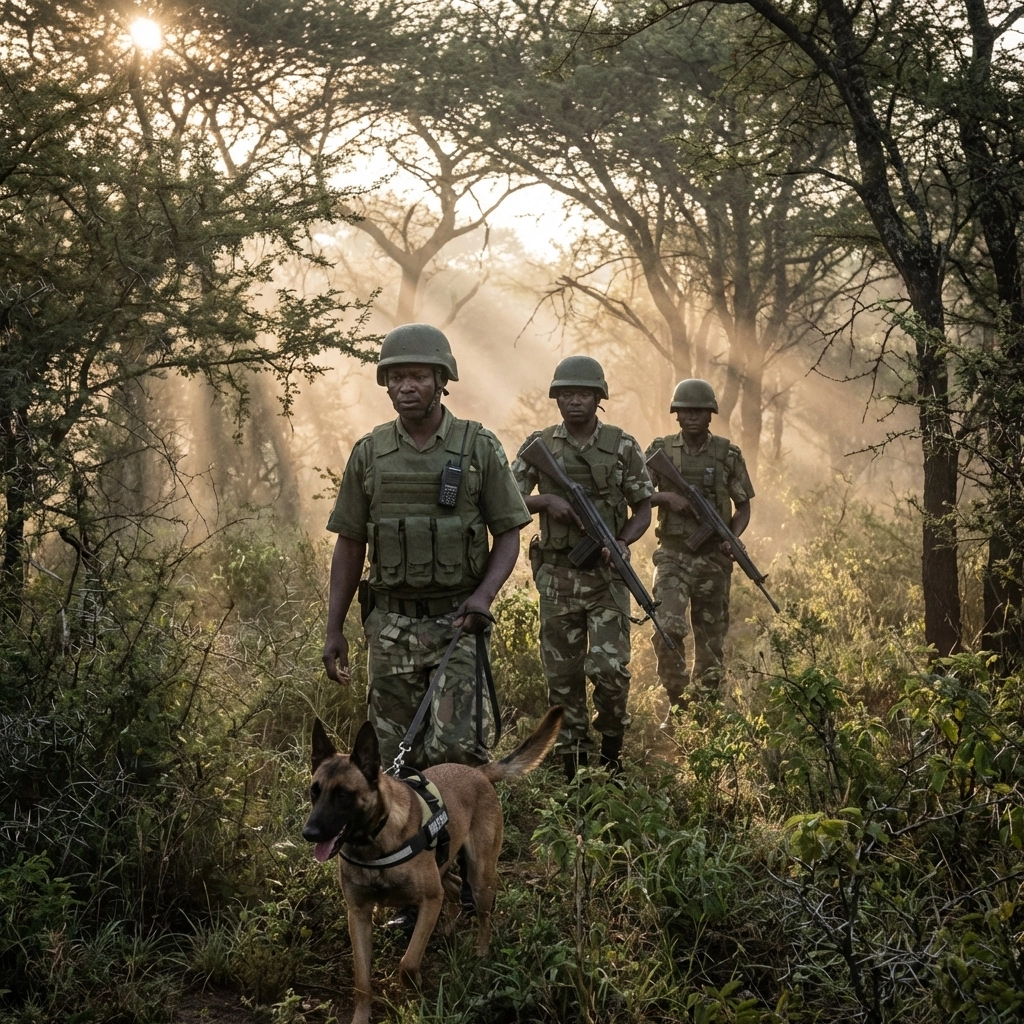
Current anti-poaching operations at Hluhluwe iMfolozi integrate traditional patrol methods with advanced technology. The park operates fixed-wing aircraft for aerial surveillance, capable of covering the entire reserve in five-hour patrols and identifying individual rhinos from altitudes of 150 meters. Specialist canine units track poaching teams through dense vegetation, while rapid-response helicopters provide backup for ground teams.
Through Hluhluwe-iMfolozi Conservation, rangers are equipped with advanced technology to combat poaching effectively.
Anti-Poaching Innovations at Hluhluwe iMfolozi Park
Hluhluwe iMfolozi has pioneered numerous anti-poaching technologies that have been adopted by reserves across Africa. Motion-sensor camera networks provide 24-hour monitoring of traditional rhino pathways and water sources, generating real-time alerts when unusual activity occurs. Solar-powered communication systems ensure constant contact between patrol teams and command centers.
The park's K9 unit represents one of southern Africa's most successful anti-poaching programs. Specially trained dogs can track poaching teams across distances exceeding 20 kilometers and have contributed to arrest rates above 70 percent when deployed within 12 hours of rhino killings. Handler teams undergo intensive six-month training programs covering tracking, firearms handling, and wildlife behavior.
Community engagement programs have expanded to include former poaching areas surrounding Hluhluwe iMfolozi Park. Alternative livelihood projects provide employment opportunities for local residents who might otherwise participate in poaching activities. Educational initiatives target schools within 50 kilometers of park boundaries, teaching conservation benefits and reporting procedures for suspicious activities.
Community programs surrounding Hluhluwe-iMfolozi Conservation aim to reduce poaching by providing alternatives.
Technological innovations continue advancing protection capabilities. Rhino monitoring chips implanted during routine health checks provide location data that enables rapid response to potential poaching incidents. Thermal imaging equipment allows night patrols to operate effectively during peak poaching hours between 10 PM and 4 AM.
Despite these efforts, the current southern white rhino population has declined to 15,942 individuals as of December 2021, representing a significant decrease from the 2010 peak. Kruger National Park, which received its founding population from Hluhluwe iMfolozi through Operation Rhino, has experienced a 70 percent decline over the past decade.
The conservation community continues developing new strategies to protect Hluhluwe iMfolozi's legacy. Genetic banking programs preserve reproductive material from deceased rhinos, creating options for future population enhancement. Artificial breeding technologies under development may accelerate recovery efforts when poaching pressures eventually subside.
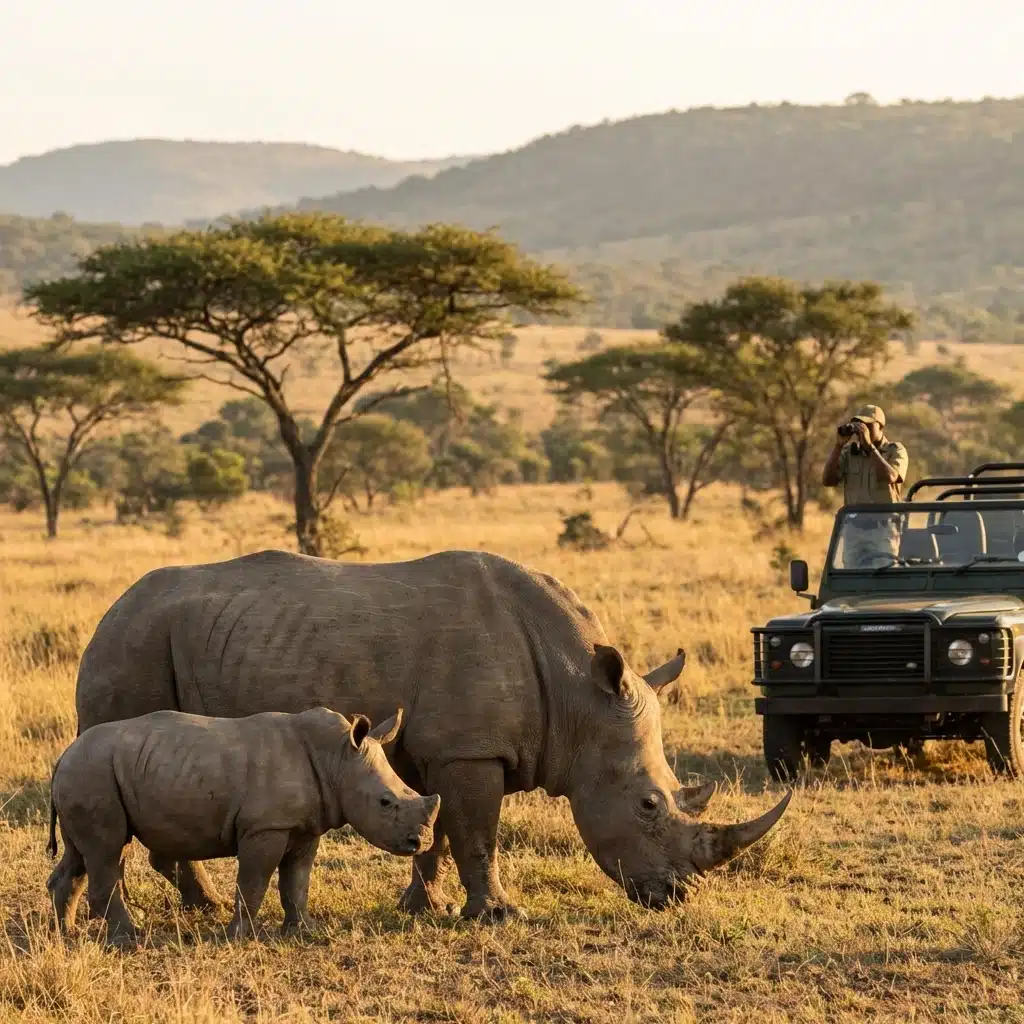
Visitors to Hluhluwe iMfolozi Park today witness both conservation triumph and ongoing challenges. Morning game drives frequently encounter white rhino families grazing peacefully in grassland valleys where their ancestors nearly vanished 130 years ago. These encounters represent living proof that dedicated conservation efforts can achieve seemingly impossible recoveries.
Visitors of Hluhluwe-iMfolozi Conservation can witness the impact of long-term conservation efforts firsthand.
The park's accommodation facilities, including rustic bush camps and comfortable lodges, provide visitors direct access to the landscape where white rhino conservation began. Every sighting connects guests to a conservation story that spans over a century of scientific innovation, community dedication, and species resilience.
Research partnerships between Hluhluwe iMfolozi Park and institutions like the Endangered Wildlife Trust continue advancing rhino conservation science. Long-term population monitoring provides crucial data for management decisions, while genetic studies inform breeding programs across the species' range.
The legacy of Hluhluwe iMfolozi extends far beyond white rhino conservation. Techniques developed for Operation Rhino have been applied to elephant, buffalo, and antelope translocations worldwide. The park's success demonstrates that even species reduced to double-digit populations can recover with appropriate protection and scientific management.
Hluhluwe-iMfolozi Conservation has paved the way for translocation techniques used in various species around the world.
Today's visitors to Hluhluwe iMfolozi Park experience a landscape where conservation history unfolds daily. Each white rhino encounter represents a direct connection to the 50 survivors that formed the foundation for global species recovery. The ongoing battle against poaching ensures that future generations will inherit the same conservation opportunities that have defined Hluhluwe iMfolozi for over 125 years.
Every visit to Hluhluwe-iMfolozi Conservation reminds us of the ongoing journey in wildlife recovery.